We use cookies to make your experience better. To comply with the new e-Privacy directive, we need to ask for your consent to set the cookies. Learn more.


Metal Herb Grinders, 2-Part to 5-Part Designs for Every Sesh
A good metal herb grinder makes every sesh tidier, faster and less wasteful. Anodised aluminium is the go-to for most people (light, tough and easy to clean), while stainless steel suits anyone who wants something a bit more solid in the hand. Go for a 2-part if you want simplicity, or step up to a 4-part and you'll catch kief in a dedicated lower chamber rather than losing it. Headchef, Chongz and Flower Mill all have something different to offer, so browse below and find the one that fits your setup.
-
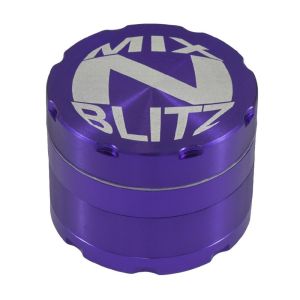 Mix n Blitz Sharp Tooth 55mm 4 Part Metal Herb GrinderAs low as £13.99
 -
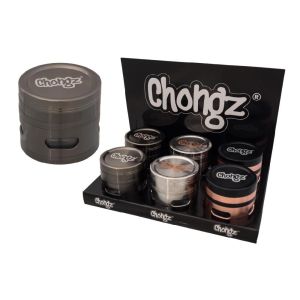
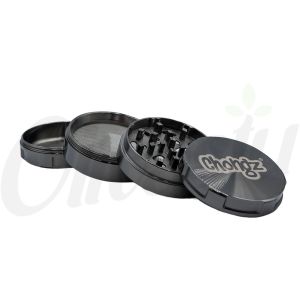
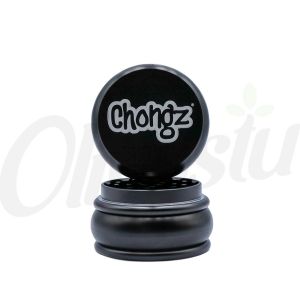 Chongz "Warped Wheel" 4 Part Sifter GrinderAs low as £14.99 was £16.99

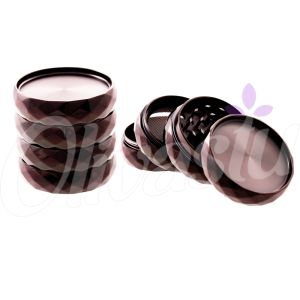
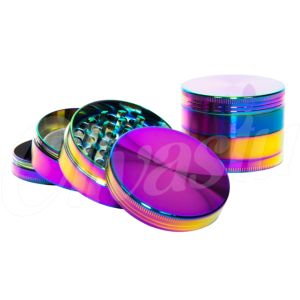
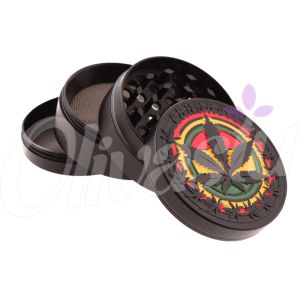
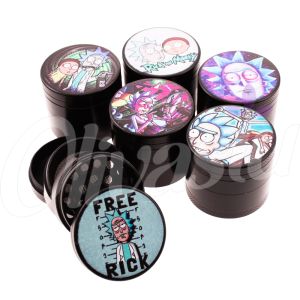

Aluminium or Stainless Steel: Which Material Should You Pick?
Most metal herb grinders are made from anodised aluminium, and for good reason. It's light, resists corrosion, and the hard surface holds up well to daily twisting without wearing the teeth down quickly. Stainless steel is denser and feels more substantial in the hand, worth considering if you want something that'll sit on a desk for years rather than live in a pocket. Zinc alloy sits somewhere in between: heavier than aluminium but generally less expensive than steel. For most people, anodised aluminium is the practical sweet spot.
How Many Parts Do You Actually Need?
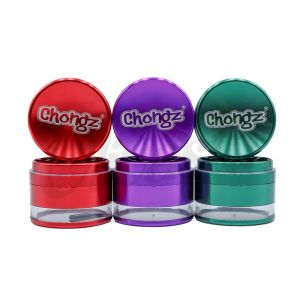
A 2-part metal grinder does one job cleanly: you grind, the herb falls into the lid, done. No faff, nothing to lose, easy to clean. Step up to a 4-part and you get a grinding chamber, a collection chamber, a fine pollen screen, and a kief catcher at the bottom. That lower chamber collects the powdery kief that would otherwise stick to the walls or get tipped away, and over time it adds up. A 5-part design adds a dedicated storage compartment on top of all that, which suits anyone who wants everything in one unit. If you're just grinding for a quick roll, 2-part is sorted. If you want to make the most of every bit of your herb, go 4-part or above.
What Size Metal Grinder Fits Your Setup?
Diameter is the main thing to check. Compact 40mm metal grinders slip into a pocket easily and grind enough for a single session, but the smaller chamber means more frequent loads if you're grinding for a group. A 62mm or 63mm grinder holds noticeably more per turn and is the more comfortable choice for home use or sharing. Size also affects the grip: a wider grinder gives you more to hold onto, which makes a difference if the herb is dense or sticky. If portability matters most, go smaller. If you're mostly grinding at home, 60mm-plus is the easier choice.
Tooth Type and Special Mechanisms: What's the Difference?
Diamond-cut teeth are the standard on most metal herb grinders. They bite into the herb cleanly and produce a consistent medium grind that works well for rolling. Shark-shaped teeth cut at a slightly different angle and can give a coarser, fluffier output depending on the model (useful if you prefer a looser pack). Some grinders use ceramic blades rather than metal teeth, which can reduce the metallic residue that occasionally builds up with standard alloy teeth. Flower Mill takes a different approach entirely, using interlocking rotating plates instead of teeth to process herb. The result is a lighter, less compressed grind that some people strongly prefer. It's a genuine alternative if you find conventional tooth-based grinders pack the herb too tightly.
Keeping Your Metal Grinder in Good Shape
A quick brush-out after each use stops resin building up around the teeth and screen. When it does get sticky (and it will), a short soak in isopropyl alcohol loosens residue without damaging anodised aluminium or stainless steel. The pollen screen in a 4-part grinder is the part most likely to clog first; a small brush or a toothpick keeps it clear. Grinders with a non-stick ceramic interior coating need less frequent cleaning because herb material doesn't bond to the surface in the same way. Magnetic closures don't need any maintenance, but it's worth checking the magnet stays seated if you drop the grinder.
Frequently asked questions
Do metal grinders work better than plastic or wooden ones?
Generally yes, for durability and grind consistency. Metal teeth, whether diamond-cut or shark-shaped, stay sharp far longer than plastic teeth and cut through herb cleanly rather than tearing it. Anodised aluminium and stainless steel also resist the resin build-up that tends to gum up plastic grinders quickly, so a metal grinder usually stays usable for longer with less effort to maintain.
What does a bearing system on a grinder actually do?
A bearing system sits between the grinding chamber and the lid, letting the two halves rotate against each other more smoothly. Without one, a grinder can feel stiff or gritty once resin builds up, especially with dense herb. Grinders with a bearing tend to stay smoother for longer between cleans. It's a feature worth considering if you're grinding frequently or if you find standard grinders start to drag after a few uses.
Can I collect kief with a 3-part grinder?
Not effectively. A 3-part grinder has a grinding chamber and a collection chamber, but no pollen screen between them, so kief mixes in with the ground herb rather than falling through into a separate compartment. You need a 4-part or 5-part grinder to collect kief properly: the fine screen filters it down into a dedicated lower chamber where it accumulates over time.
